Anúncios
Most people think growing plants at home requires outdoor space.
A garden. A yard. At minimum a large terrace.
None of that is true.
Some of the most beautiful, practical, and rewarding plants in the world thrive in apartments, in small spaces, in rooms with limited light, and in the care of people who have never grown anything before.
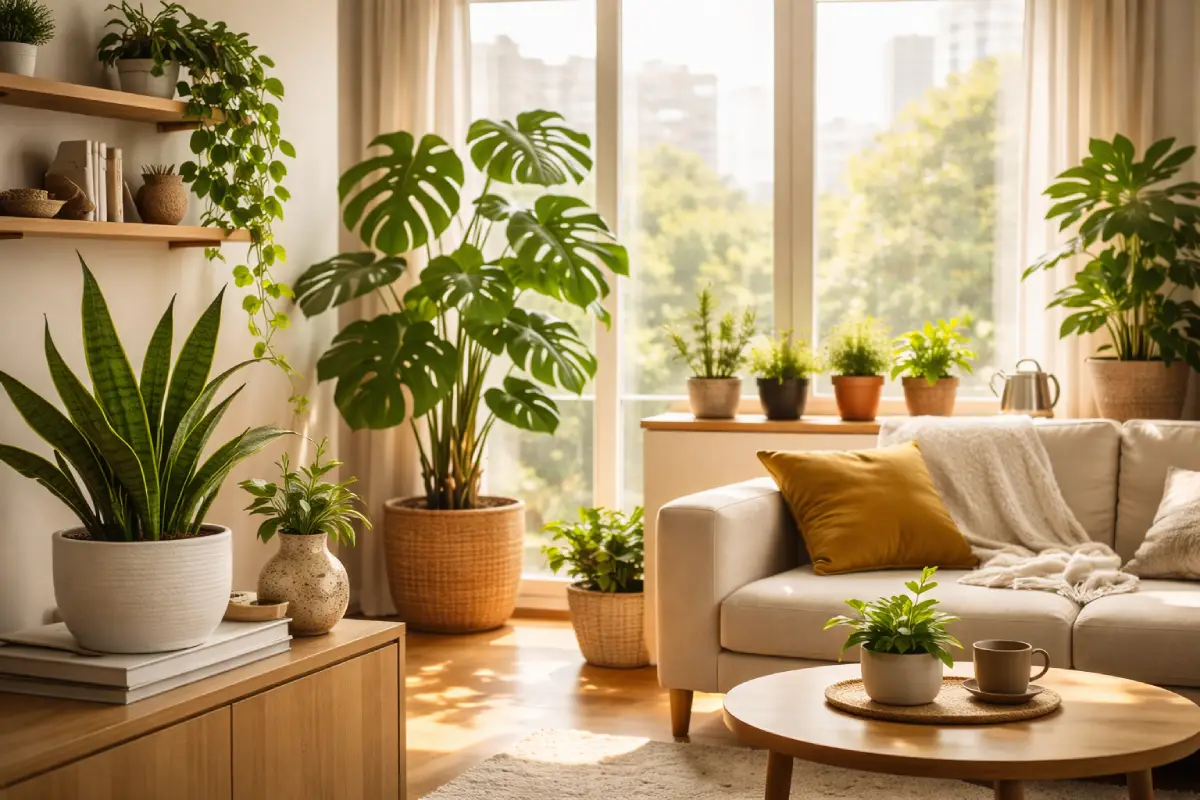
The plant world did not evolve exclusively for gardens. Hundreds of species are perfectly adapted to the conditions that define apartment life: indirect light, consistent indoor temperatures, limited soil volume, and irregular attention from busy people.
This guide covers the best indoor plants for apartments, organized by what you need from them, how to care for them with minimal effort, and where to find them.
What Smart Apartment Dwellers Know About Plants
- Indoor plants improve air quality, reduce stress, and make any space feel more alive.
- Hundreds of plant species thrive in limited light and small containers with minimal care.
- You do not need a garden, outdoor space, or gardening experience to grow beautiful plants at home.
- Free apps identify any plant instantly and send you care reminders so nothing dies from neglect.
- The right plant in the right spot requires almost no effort and delivers years of reward.
- Growing your own herbs indoors costs less per month than buying them at a supermarket.
You will remain on this site
The Best Low-Maintenance Indoor Plants for Apartments
Pothos (Epipremnum aureum)
Pothos is consistently ranked as one of the easiest houseplants in the world to keep alive, and for good reason.
It tolerates low light, irregular watering, and general neglect better than almost any other common houseplant. It grows in trailing vines that look beautiful cascading from a shelf or hanging planter and can reach impressive lengths over time.
Pothos is also one of the most studied houseplants for indoor air quality. NASA research included it among plants that demonstrated the ability to remove certain volatile organic compounds from indoor air in controlled conditions, though the practical scale of this effect in a typical room is modest.
It propagates extremely easily from cuttings placed in water, meaning one plant can become many over time at no additional cost.
Snake Plant (Sansevieria trifasciata)
The snake plant may be the single most forgiving houseplant in existence.
It tolerates low light, infrequent watering, dry air, and temperature fluctuations that would stress most other plants. It stores water in its thick upright leaves and can survive weeks without attention, making it ideal for busy apartment dwellers or frequent travelers.
Its architectural upright form makes it a natural choice for corners, narrow spaces, and minimalist interiors. It comes in dozens of varieties with different leaf patterns and colorations.
ZZ Plant (Zamioculcas zamiifolia)
The ZZ plant is another near-indestructible option for apartments with challenging light conditions.
Its thick rhizomes store water efficiently, allowing it to tolerate extended periods without watering. It grows slowly but steadily in low to medium indirect light and maintains a clean, glossy appearance that suits modern interiors.
Like the snake plant, it requires very little from its owner and rewards minimal attention with consistent, attractive growth.
Peace Lily (Spathiphyllum)
The peace lily is one of the few flowering plants that genuinely thrives in low light conditions.
It produces elegant white flowers throughout the year, tolerates shade that would prevent most plants from flowering at all, and communicates clearly when it needs water by drooping slightly, then recovering dramatically within hours of being watered.
It is important to note that peace lilies are toxic to cats and dogs. Apartment dwellers with pets should keep this in mind when selecting plants.
Spider Plant (Chlorophytum comosum)
The spider plant is a classic apartment plant for good reason.
It grows quickly in a wide range of light conditions, produces long arching leaves in green or variegated green and white, and generates abundant offshoots called spiderettes that hang from long stems and can be propagated into new plants easily.
It is non-toxic to pets, which makes it one of the most recommended choices for households with cats or dogs.
Rubber Plant (Ficus elastica)
For apartment dwellers who want a statement plant that fills a corner with genuine visual impact, the rubber plant is one of the best options available.
Its large, glossy, deep green or burgundy leaves create a bold tropical aesthetic. It grows well in bright indirect light, tolerates moderate light, and requires watering only when the top inch or two of soil is dry.
Over time it can grow into a substantial tree-like form, making it one of the most dramatic long-term houseplants available for indoor spaces.
Monstera deliciosa
Few plants have had a greater cultural moment than the Monstera deliciosa, and its popularity is entirely justified.
Its large, dramatically fenestrated leaves are visually extraordinary and grow progressively more elaborate as the plant matures. It thrives in bright indirect light and grows quickly under good conditions.
It is one of the most widely available exotic-looking plants at accessible prices, making it an excellent choice for apartment dwellers who want maximum visual impact from a single plant.
The Best Herbs to Grow in an Apartment Kitchen
Growing herbs in an apartment kitchen is one of the most practical and immediately rewarding forms of indoor gardening.
A single pot of basil on a kitchen windowsill produces more fresh leaves than most households use in a week. A small container of chives regrows continuously after cutting and requires almost no maintenance. Mint in a pot adds fresh leaves to drinks and cooking year-round with minimal effort.
The key to successful indoor herb growing is light. Most culinary herbs require four to six hours of direct sunlight per day for productive growth. A south-facing windowsill is ideal in the northern hemisphere. A north-facing windowsill in the southern hemisphere.
In apartments with limited natural light, LED grow lights designed for plants have become genuinely affordable and effective. A basic full-spectrum LED grow light positioned above a small herb collection can produce results comparable to a sunny windowsill for a modest ongoing electricity cost.
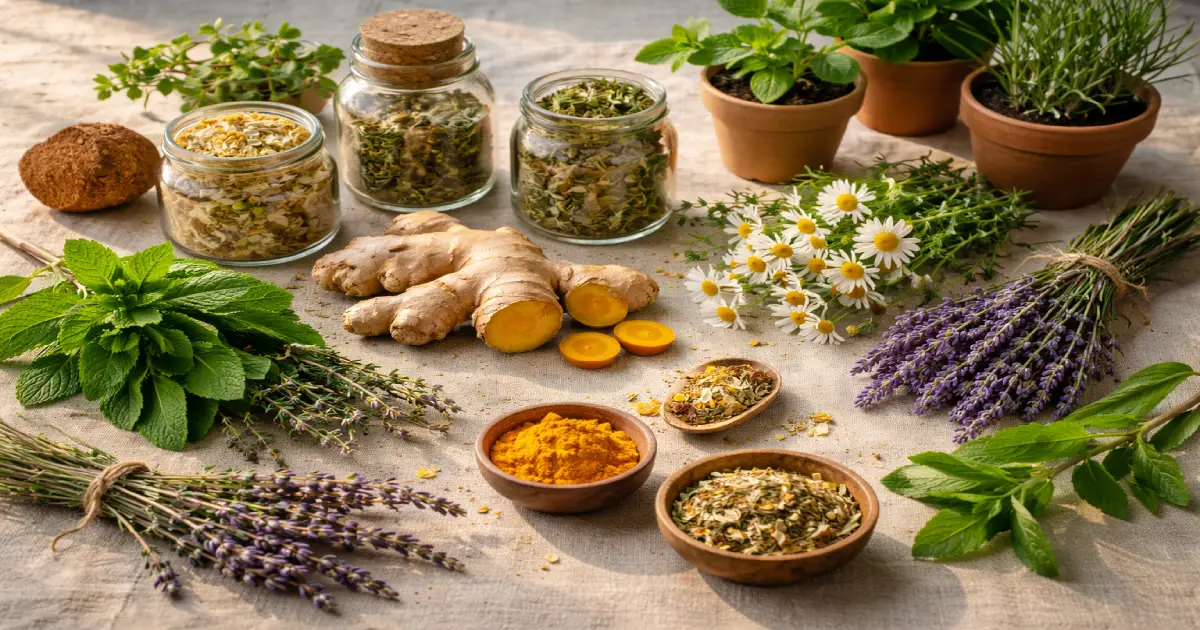
The most practical herbs for apartment growing include basil, chives, mint, parsley, thyme, oregano, and rosemary. All grow well in containers and provide immediate, practical returns from relatively little space and effort.
You will remain on this site
Apps That Make Apartment Plant Care Effortless
Technology has made keeping plants alive in an apartment significantly easier than it used to be.
PictureThis identifies any plant from a photo and provides personalized care schedules including watering reminders, fertilization timing, and disease diagnosis. For apartment dwellers managing multiple plants with different needs, this functions essentially as a personal plant care assistant.
Greg is a dedicated plant care tracking app that learns your specific home environment over time and calibrates its care reminders to your actual light levels, humidity, and temperature. It is particularly popular among apartment plant collectors managing large collections.
Planta offers a similar set of features with a clean, well-designed interface. It includes a light meter tool that measures the actual light levels in different spots around your apartment and recommends which plants are suitable for each location.
Light Meter apps, several of which are available free on both iOS and Android, use your phone camera to measure light intensity in lux or foot-candles. This is particularly useful for apartment dwellers trying to determine whether a specific spot receives enough light for a particular plant before making a purchase.
Common Apartment Plant Problems and How to Solve Them
Overwatering remains the most common cause of houseplant death in apartments.
Most indoor plants die not from neglect but from excessive attention. The correct approach is to check soil moisture before watering rather than watering on a fixed schedule. For most common houseplants, watering when the top inch or two of soil feels dry is sufficient.
Low humidity is a frequent challenge in apartments, particularly in winter when heating systems dry indoor air significantly. Tropical plants like Monstera and peace lily benefit from occasional misting or placement near a humidifier. Grouping plants together also raises local humidity slightly through transpiration.
Inadequate light is the second most common reason indoor plants struggle. Before buying any plant, honestly assess the light available in your space. A plant requiring bright indirect light placed in a dim corner will decline slowly regardless of how carefully it is watered.
Root-bound plants, those that have outgrown their container, stop growing and may begin to show stress symptoms. If roots are visibly growing through drainage holes or circling the surface of the soil, it is time to repot into a container one size larger.
Where to Buy Indoor Plants and Seeds
For seeds of indoor plants and herbs, global platforms like Amazon, Etsy, and AliExpress carry an extensive range from verified sellers. Etsy is particularly strong for unusual indoor plant varieties and seeds from specialist growers.
For established plants, local nurseries and garden centers offer the advantage of seeing the plant in person before buying and selecting a healthy specimen. Online plant shops now ship established houseplants in specialized packaging that keeps them safe during transit and have made purchasing plants remotely reliable.
In Brazil, MercadoLivre connects buyers with local plant sellers across the country, with strong availability of tropical species particularly suited to Brazilian homes and climates. In Latin America broadly, MercadoLibre serves the same function with strong regional seller networks.
Frequently Asked Questions
What is the easiest plant to keep alive in an apartment?
Snake plants and ZZ plants are consistently the most forgiving options for apartments with challenging conditions. Both tolerate low light, infrequent watering, and dry air without significant decline.
Can I grow vegetables in an apartment without outdoor space?
Yes. Cherry tomatoes, lettuce, radishes, peppers, and many herbs grow successfully in containers in sunny indoor locations or under LED grow lights. The key constraint is light. At least four to six hours of direct sun or equivalent artificial light is necessary for productive vegetable growing.
Are indoor plants safe around pets?
Many common houseplants are toxic to cats and dogs. Peace lilies, pothos, and snake plants all have some level of toxicity to pets. Spider plants, money plants, and Boston ferns are among the non-toxic options. Always verify the pet-safety status of any plant before bringing it into a home with animals.
How often should I water my indoor plants?
Watering frequency depends entirely on the specific plant, the size of its container, the soil type, the light level, and the humidity in your home. A general principle is to water most houseplants when the top inch of soil feels dry. Apps like PictureThis and Greg provide personalized watering reminders calibrated to the specific plants in your collection.
What is the best indoor plant for someone who always forgets to water?
Pothos, snake plants, ZZ plants, and cacti are all excellent choices for forgetful waterers. All store water in their leaves or root systems and tolerate extended dry periods without significant harm.
You will remain on this site
The information in this article is intended for general educational purposes. Plant care requirements vary depending on the specific variety, local climate, and growing conditions. Toxicity information provided is general in nature. Always verify the safety of any plant with a veterinarian before introducing it to a home with pets. The publishers of this content accept no responsibility for any outcomes resulting from the use of information presented here.